
 Home Factors

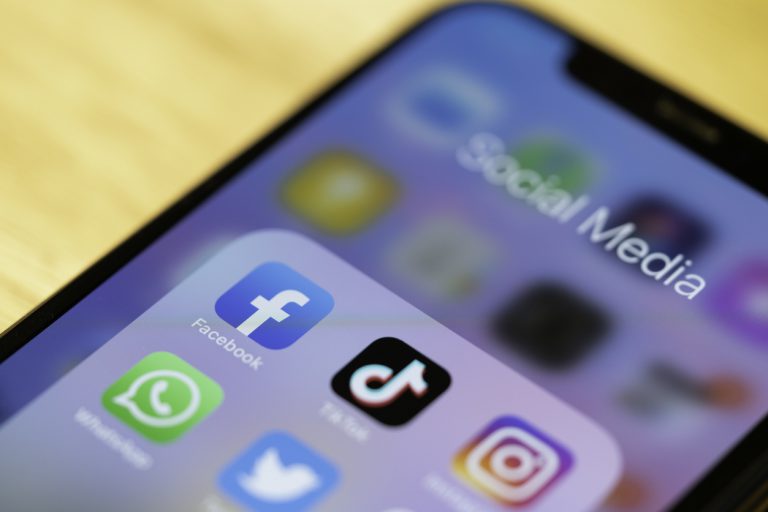
Social media consumer behavior is evolving quickly, changing how brands build engagement, influence buying decisions, and connect with audiences online.
Today’s consumers move constantly between platforms, devices, websites, and apps, expecting the experience to feel connected the entire way. And while platforms continue to evolve, one thing remains consistent: brands that create relevant, engaging content are far more likely to earn attention and loyalty.
According to current industry research, there are now billions of active social media users worldwide, with mobile devices driving the vast majority of usage. Consumers are spending time across multiple platforms every day, often discovering brands long before they ever visit a website or speak with a company directly.
According to research by IAS, 84% of surveyed digital media experts identified social media as the top priority digital environment in 2026, ahead of influencer marketing (61%), video livestreaming (56%), audio livestreaming (50%) and retail media networks (47%).
For marketers, social media creates both opportunity and pressure. Being present on social media matters, but understanding how consumers actually engage across platforms matters even more.

How Social Media Consumer Behavior Continues to Evolve
Social platforms now influence a significant portion of the customer journey.
Consumers use social media to:
- Discover new brands
- Research products and services
- Compare options
- Read reviews and recommendations
- Engage with content
- Stay informed about promotions and updates
Many consumers also expect brands to maintain an active and responsive social presence. A neglected or inconsistent social strategy can quickly impact perception and trust.
Research continues to show that consumers frequently follow brands to:
- Learn about new products or services
- Stay updated on company news
- Access promotions or discounts
- Engage with entertaining or educational content
At the same time, consumers are equally quick to disengage when the experience feels repetitive, overly promotional, or irrelevant.
Social Media Consumer Behavior Is Increasingly Multi-Platform
One of the biggest shifts in social media marketing is how fluidly consumers move across channels.
Understanding social media consumer behavior is becoming increasingly important as audiences move across platforms and touchpoints throughout the customer journey.
Most users no longer rely on a single platform. A consumer may discover a product on TikTok, research it further on YouTube, visit a website later from Instagram, and eventually convert through email or paid search.
That means social media should not be viewed as an isolated channel. It’s part of a larger connected customer experience.
The strongest social strategies today are built around consistency across platforms while adapting content to fit the behavior and expectations of each audience.
Social Media Plays a Major Role in Brand Discovery
Social media has become one of the most important tools for brand discovery.
Consumers frequently discover brands through:
- Suggested content in their feeds
- Influencer recommendations
- Short-form video
- Social ads
- Shared content from friends or family
- Platform discovery tools
And discovery often turns into action.
Studies consistently show that consumers who follow brands on social media are highly likely to:
- Visit the company’s website
- Purchase from the brand
- Recommend the brand to others
- Choose that brand over competitors
- Increase spending over time
This is one reason social media continues to play such an important role in modern marketing strategies.

Consumers Expect Relevant and Engaging Content
Not all social content performs equally.
Consumers increasingly expect content that feels:
- Relevant
- Authentic
- Helpful
- Entertaining
- Easy to engage with
Poor customer service, excessive advertising, repetitive messaging, and irrelevant content remain some of the top reasons consumers unfollow brands.
That’s why understanding audience behavior and preferences matters so much.
The brands seeing the strongest engagement today are typically those creating content that aligns with how consumers already use social platforms rather than treating social strictly as an advertising channel.
Video and Visual Content Continue to Perform Best
Visual content continues to dominate social engagement.
Consumers consistently engage most with:
- Images
- Short-form video
- Stories
- Live video
- Interactive content like polls
Video in particular continues to drive strong performance across nearly every major social platform.
Short-form video has become especially important as platforms prioritize content designed for fast engagement and mobile viewing.
For marketers, this means social strategies should prioritize visual storytelling and content formats that are easy to consume quickly.

Social Media Now Influences the Entire Customer Journey
Social media is no longer just a top-of-funnel awareness tool.
It now influences:
- Brand discovery
- Research behavior
- Product consideration
- Customer service
- Retention
- Loyalty
- Advocacy
Consumers expect seamless experiences as they move between social platforms, websites, email, streaming environments, and physical stores.
Brands that understand how audiences behave across channels are better positioned to create experiences that feel connected instead of fragmented.
As social media continues to evolve, marketers who combine strong audience insights with thoughtful, consumer-focused content strategies will be better positioned to build engagement, trust, and long-term customer relationships.
Want to learn how audience data can help improve your social media targeting and cross-channel marketing strategy? Contact us to learn how PGM helps brands reach more relevant audiences across digital channels.