 Home Factors



Today’s customers don’t think in channels. They might discover a product on social media, research it on their phone, visit a store and complete their purchase online.
For marketers, the challenge is making those interactions feel connected.
An effective omnichannel marketing strategy brings together customer data, audience insights and marketing channels to deliver more relevant, consistent experiences throughout the customer journey.
In 2027, that means going beyond simply being present on multiple channels. It means understanding who your customers are, what they’re interested in and when they’re most likely to engage.
What Is an Omnichannel Marketing Strategy?
An omnichannel marketing strategy connects marketing channels, including email, social media, digital advertising, direct mail and physical stores, to create a consistent customer experience.
Unlike multichannel marketing, where channels may operate independently, omnichannel marketing focuses on making interactions feel connected.
For example, imagine a customer researching furniture online, visiting a store to see a product in person and later receiving a relevant offer that encourages them to complete their purchase.
The goal is to make every interaction feel like part of the same customer journey.

Why Is Omnichannel Marketing Important in 2027?
Consumers interact with brands across multiple devices and channels, often switching between online and offline experiences before making a purchase.
For marketers, this creates both opportunities and challenges.
A customer might see a connected TV ad, research a product online, receive a direct mail offer and eventually make a purchase in-store. Each interaction can contribute to the buying journey, even when the final conversion happens somewhere else.
Without a coordinated approach, brands risk delivering disconnected messages, overlooking valuable audience insights or reaching customers with offers that aren’t relevant.
Successful omnichannel marketing helps brands create more consistent experiences while making better use of their customer data and marketing investments.
First Things First: Build a Strong Customer Data Foundation
It’s not enough to have a presence on multiple channels. Your customer information needs to be accurate, complete and useful across your marketing efforts.
Outdated contact information, duplicate records and incomplete customer profiles can undermine even the most sophisticated campaigns.
Connect Your Customer Data Across Channels
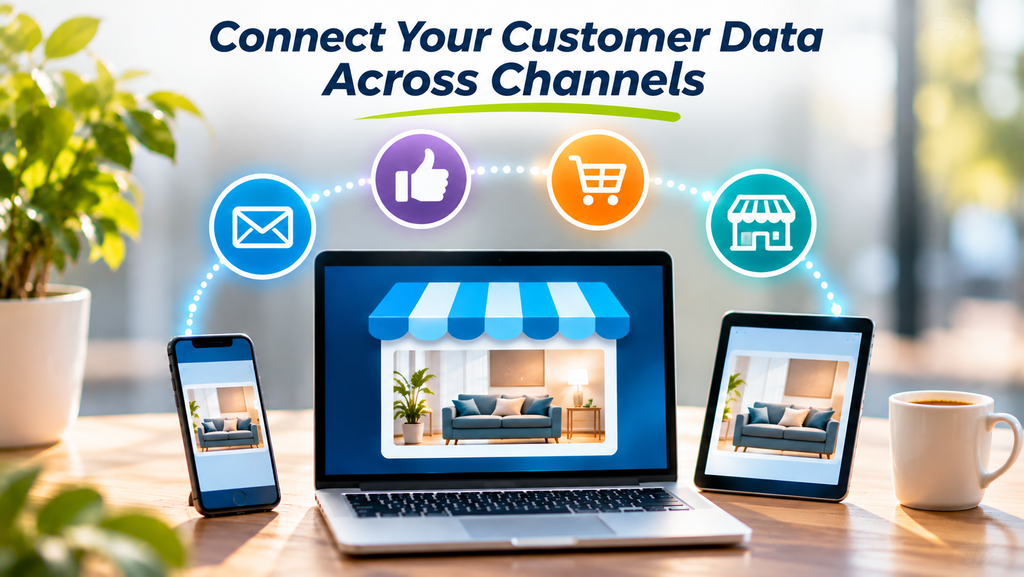
A successful omnichannel strategy starts with a clear understanding of your customers.
When customer information is scattered across different marketing systems, it becomes harder to recognize customers, understand their preferences and deliver relevant experiences.
Consider Mary, a loyal customer who frequently purchases online, redeems print coupons in stores and has unsubscribed from promotional emails because the content wasn’t relevant.
Each interaction reveals something about her preferences. But when that information isn’t connected, marketers can miss opportunities to deliver a more personalized experience.
Improve Data Quality and Enrich Customer Profiles
Even when marketers have substantial first-party data, important information may be missing.
For example, a customer database might contain names and mailing addresses but lack verified email addresses, phone numbers or additional insights about household characteristics and interests.
Data hygiene and data append services help marketers improve the quality and completeness of their customer information.
PGM helps brands strengthen their customer data through data hygiene, data append and consumer insights, making it easier to understand audiences and support more effective marketing across channels.

3 Omnichannel Marketing Strategies for 2027
1. Prioritize Data-Driven Personalization
Personalization goes well beyond including a customer’s first name in an email.
Today’s marketers can use customer insights, behavioral signals and purchase intent to develop more relevant messaging across channels.
Here are four ways to improve personalization:
- Use richer customer insights. Combine first-party information with demographic, lifestyle, household and behavioral data to better understand your audience.
- Respond to buying signals. Use consumer intent data to identify audiences actively researching products or services.
- Personalize across channels. Coordinate relevant offers and messaging through email, digital advertising, connected TV and direct mail.
- Consider life events. Changes such as moving, buying a vehicle or purchasing a home can influence consumer needs and purchase decisions.
Example: A home improvement retailer could use property characteristics and consumer intent signals to identify homeowners researching renovations. The retailer could then reach these audiences with relevant messaging through email, digital advertising and direct mail.
2. Provide a Consistent Brand Experience Across All Channels
Customers shouldn’t receive conflicting messages, promotions or experiences depending on how they interact with your brand.
A consistent omnichannel approach helps reinforce brand recognition and creates a more connected customer journey.
Here are four ways to improve consistency:
- Align messaging and offers. Keep promotions, product information and brand messaging consistent across channels.
- Coordinate audience targeting. Use consistent audience definitions to support more connected campaigns.
- Maintain accurate customer records. Regularly update contact information and remove duplicate or outdated records.
- Connect online and offline marketing. Coordinate digital advertising, email and direct mail so customers encounter relevant messaging throughout their journey.
Example: A retailer launching a seasonal promotion could coordinate its connected TV, email, digital advertising and direct mail campaigns around the same target audience and offer.
3. Give Customers More Flexibility and Convenience
Consumers want to interact with brands on their own terms.
Some prefer email or digital advertising. Others respond to direct mail or seek out information when they’re actively considering a purchase.
An effective omnichannel strategy recognizes these differences and makes it easier for consumers to engage.
Here are four ways to improve convenience:
- Offer multiple ways to engage. Give customers options for researching products, receiving offers and contacting your business.
- Respect communication preferences. Use available customer information and consent preferences to make outreach more relevant.
- Recognize changing needs. Life events can create new opportunities for brands to introduce useful products and services.
- Reach customers at relevant moments. Use intent and life-event signals to identify audiences who may be receptive to specific offers.
Example: A consumer preparing to move may be researching furniture, home services, insurance and other purchases.
Brands that recognize this life event can introduce relevant offers during the moving journey rather than relying on generic marketing messages.
How PGM Can Help
PGM’s Mover Factors provides insights into consumers throughout the moving lifecycle, while People Factors and Online Signals offer additional information about consumer interests, characteristics and purchase intent.
These insights help marketers identify relevant audiences and create campaigns that better align with consumer needs.
How Does Consumer Data Improve Omnichannel Marketing?
Consumer data helps marketers move from broad, channel-based campaigns to more targeted, audience-focused strategies.
By combining first-party information with additional consumer insights, marketers can:
- Build more complete customer profiles
- Identify relevant audience segments
- Recognize purchase intent and life-event signals
- Improve audience targeting across channels
- Reduce wasted outreach caused by outdated or incomplete records
- Deliver messaging that better reflects consumer interests and needs
For example, a brand may know that a customer purchased a home several years ago. Additional property, household and intent insights could help identify opportunities to reach that customer with relevant home-related products or services.
The key is using accurate, relevant information to make better marketing decisions.
Omnichannel Marketing FAQs
What is the difference between omnichannel and multichannel marketing?
Multichannel marketing uses multiple channels to reach consumers, but those channels may operate independently. Omnichannel marketing focuses on coordinating channels to create a more consistent, connected customer experience.
What are examples of omnichannel marketing?
Examples include coordinating email and digital advertising campaigns, connecting direct mail with online promotions, delivering consistent offers across devices and using consumer intent signals to reach relevant audiences through multiple channels.
What role does customer data play in omnichannel marketing?
Customer data helps marketers understand their audiences, improve personalization and coordinate targeting across channels. Accurate contact information, consumer insights and behavioral signals can help brands deliver more relevant messages.
How can marketers improve omnichannel personalization?
Marketers can improve personalization by combining first-party customer data with additional demographic, lifestyle, household and purchase intent insights. These insights help brands create more relevant audience segments and tailor campaigns to consumer interests and needs.
Why is data hygiene important for omnichannel marketing?
Data hygiene helps improve the accuracy and reliability of customer information. Removing duplicates, updating contact details and correcting incomplete records can help marketers reduce wasted outreach and improve audience targeting.
How can PGM support omnichannel marketing?
PGM provides consumer data, audience intelligence, data hygiene, data append and activation solutions that help brands better understand and reach their target audiences. Its data offerings include People Factors, Home Factors, Mover Factors and Online Signals.
Build a Smarter Omnichannel Marketing Strategy for 2027
The channels consumers use will continue to evolve, but successful omnichannel marketing starts with understanding the people you’re trying to reach.
When marketers combine accurate customer information with relevant consumer insights, they can build stronger audiences and deliver more meaningful experiences across channels.
PGM helps brands strengthen their customer data, uncover valuable audience insights and reach consumers with more relevant marketing.