
 Home Factors


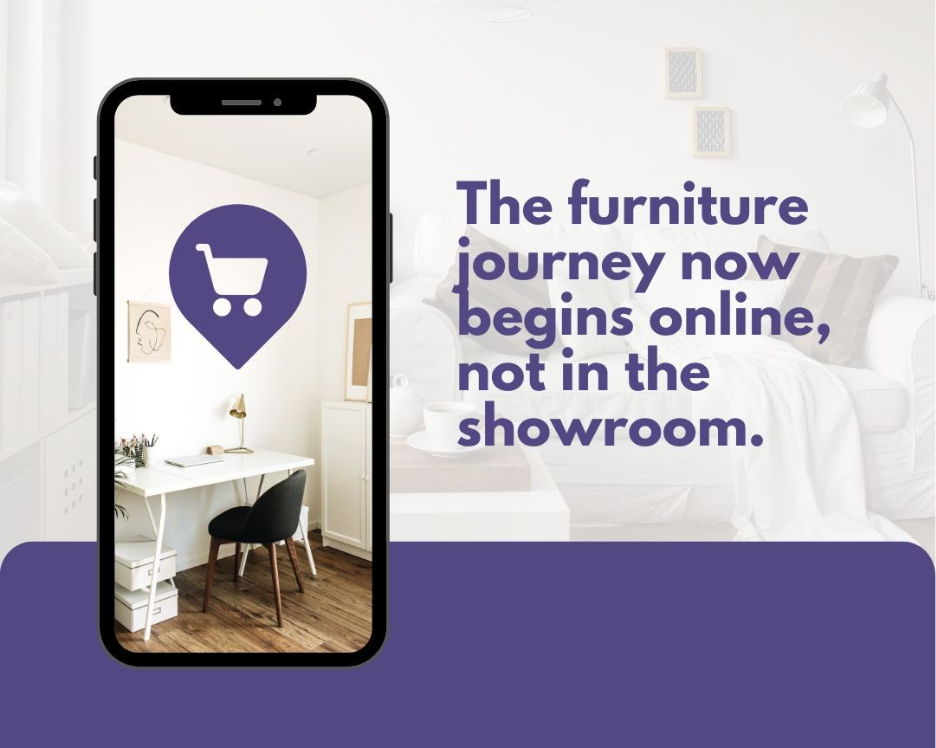
Furniture marketing is changing quickly as consumer buying behavior continues to shift across digital and physical channels. What once started in a showroom now often starts online, long before a consumer is ready to buy.
Today’s furniture buying journey is shaped by inspiration, product research, pricing comparisons, reading reviews, and ongoing browsing across multiple devices and platforms.
By the time a customer visits a store, many of the key decisions have already been made. Retail is no longer the starting point of the journey. In many cases, it’s the final step.
How Furniture Shopping Has Changed
The assumption that furniture shopping begins in a retail store is no longer accurate. Today, much of the journey starts online, where consumers are exploring styles, gathering inspiration, comparing options, and shaping preferences long before they are ready to buy.
According to HomeByMe’s research, 63% of consumers begin their furniture journey online by seeking inspiration, rather than starting with a retailer or store visit.
Social platforms now play a major role in early discovery. In many cases, the first interaction with a furniture brand is not a showroom visit, but a scroll through Instagram, Pinterest, TikTok, or curated digital content that influences style preference and consideration much earlier in the process.
For furniture marketers, this creates a very different challenge than even a few years ago. Brands now need to influence consumers earlier in the journey, often before active purchase intent is obvious.
Why ROPO Is Reshaping Furniture Shopping
Furniture remains one of the clearest ROPO categories: research online, purchase offline.
Most shoppers now spend time comparing styles, prices, reviews, materials, and retailers long before they ever walk into a store. By the time they visit a showroom, they often already have a shortlist in mind.
That does not mean physical retail has become less important. It just plays a different role in the process now. Stores are increasingly where shoppers validate decisions rather than begin them, checking comfort, quality, scale, and materials before finally committing to a purchase.
For many furniture brands, the real competition is happening much earlier in the journey while consumers are still browsing, comparing, saving ideas, and narrowing their options online.
Today’s Furniture Buyers Are More Research-Driven
One of the biggest furniture marketing shifts is how informed consumers are before they ever interact with a retailer.
Research shows that buyers are typically 70–90% through their decision-making process before visiting a store or speaking with a sales associate.
That changes the role marketing plays throughout the journey. By the time many shoppers engage directly with a brand, they have often already:
- Compared retailers
- Narrowed product options
- Researched pricing
- Read reviews
- Defined style preferences
Today’s furniture buyers are also:
- More price-conscious
- More comparison-driven
- Less brand-loyal
Millennials and Gen Z are helping drive many of these shifts in furniture shopping behavior. Both generations tend to research extensively before purchasing, compare options across multiple retailers, and rely heavily on reviews, social content, and digital inspiration throughout the decision-making process.
For furniture marketers, this means traditional awareness tactics alone are no longer enough. Brands need to influence consideration much earlier while shoppers are still shaping preferences and evaluating options.
Why Inspiration Is Becoming a Major Furniture Marketing Trend
One of the biggest furniture marketing trends for 2026 is the growing influence of inspiration-driven discovery.
As Resonate’s 2026 Predictions Report outlines, predictive consumer intelligence uses behavioral data, intent signals, and demographic patterns to forecast future purchasing decisions before they happen.
For furniture marketers, that creates an opportunity to engage consumers earlier in the buying journey, before purchase intent fully forms.
This matters because much of today’s furniture discovery happens passively through social content, inspiration feeds, creator content, room designs, and lifestyle imagery. Consumers are often building preference long before they actively begin shopping.
If a brand is not influencing consumers during the inspiration phase, it may never become part of the final consideration set.
Why Visualization Is Becoming a Marketing Requirement
Modern furniture shoppers are not just evaluating products. They are evaluating confidence in the purchase decision.
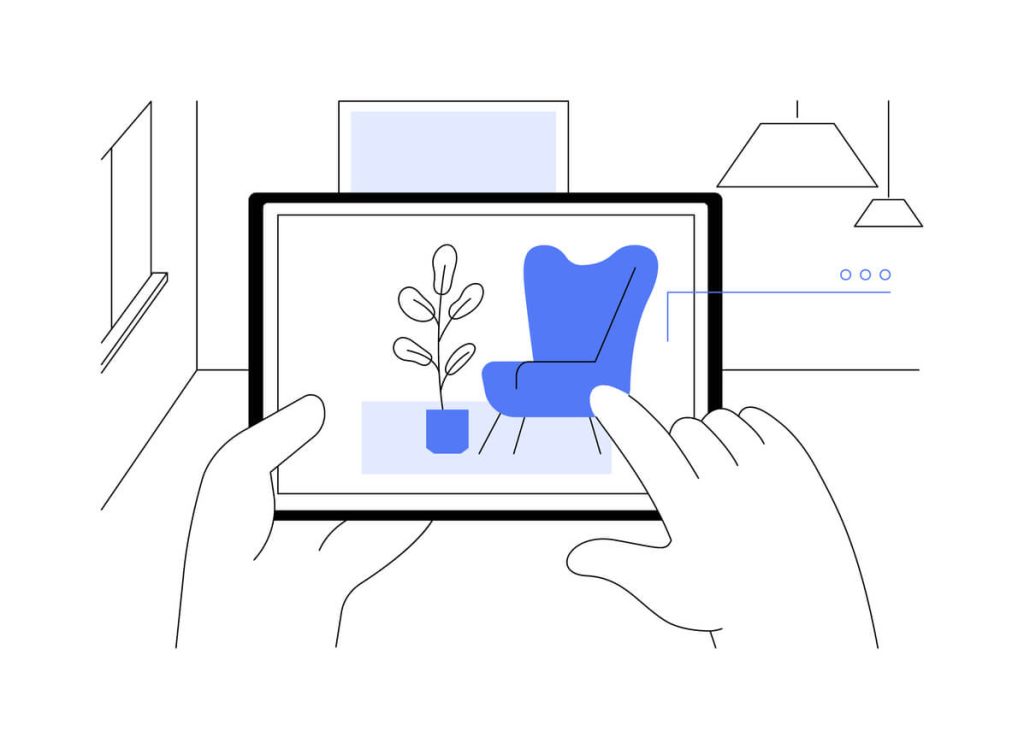
Furniture is a higher-consideration category, and consumers want more certainty before committing. That is one reason visualization tools have become so important across the buying journey.
Room planners, AR previews, product configurators, and “view in your space” experiences help consumers better understand scale, style fit, layout, and overall compatibility before making a purchase.
For furniture marketers and retailers, these tools are no longer just nice-to-have features. They are increasingly becoming part of the expected shopping experience. The higher the purchase commitment, the more consumers rely on visualization to reduce uncertainty and validate decisions before buying.
What Furniture Marketers Should Do Next
If the furniture buying journey starts earlier, becomes more fragmented, and is shaped by inspiration and validation across channels, marketing strategies need to adapt with it.
Many marketers are moving beyond broad demographic targeting and placing greater emphasis on behavioral, household, and life-stage signals to better understand when consumers may be entering a furniture buying cycle.
The goal is not just to identify who a consumer is, but to better understand where they are in the decision-making process and when engagement is most likely to matter.
1. Reach consumers earlier in the buying journey
Many furniture purchases are preceded by weeks or months of:
- Online browsing
- Inspiration gathering
- Category research
- Retailer comparison activity
- Furniture shopping activity
- Home décor engagement
This creates an opportunity for marketers to engage consumers before purchase intent becomes fully obvious.
Brands that show up earlier in the process are more likely to influence consideration while shoppers are still comparing options and shaping preferences.
2. Prioritize high-intent audiences like movers and new homeowners
Moving remains one of the strongest predictors of future furniture purchases. Consumers entering a new home often need to:
- Furnish additional rooms
- Replace older furniture
- Upgrade existing spaces
- Adapt purchases to fit a new layout or lifestyle
New movers and homeowners also tend to have compressed decision windows, creating higher engagement and faster purchase activity across furniture categories.
For many furniture marketers, these audiences represent some of the highest-intent opportunities in the market.
3. Use cross-channel marketing to stay visible throughout the journey
Furniture buying decisions rarely happen after a single interaction. Consumers often move between:
- Devices
- Social platforms
- Retailer websites
- Streaming content
- Physical stores
Cross-channel marketing helps brands remain visible throughout longer buying cycles and reinforces messaging across multiple touchpoints.
As the furniture buying journey continues to spread across digital and physical environments, maintaining visibility across channels becomes increasingly important.
4. Focus messaging on value, quality, and fit
Today’s furniture shoppers are highly comparison-driven. Pricing, durability, functionality, reviews, and style compatibility often influence decisions more than brand recognition alone.
Marketing messages should help consumers quickly understand:
- Why the product fits their lifestyle
- What makes it worth the investment
- How it compares to alternatives
- Why the quality or design stands out
For many consumers, perceived value now plays a larger role in decision-making than brand familiarity alone.
5. Invest in inspiration-driven marketing
Furniture discovery increasingly happens through inspiration rather than direct product search. Consumers now spend time browsing room designs, following creators, saving ideas, and exploring aesthetics long before they actively begin shopping.
That means inspiration content is becoming a much larger part of the marketing funnel. Brands should think beyond traditional product ads and invest in:
- Styled room imagery
- Short-form social video
- Design inspiration content
- Lifestyle-focused creative
- Creator partnerships
- Visual storytelling across channels
For many furniture brands, the real competition now happens before active shopping even begins.

The Future of Furniture Marketing Is Already Here
Furniture shopping is no longer a simple path from awareness to purchase. Consumers now move between social platforms, online research, inspiration content, retailer websites, and physical stores before making a decision.
By the time many shoppers are ready to buy, much of the consideration process has already happened. That changes the role of furniture marketing. Brands now need to influence consumers earlier, stay visible throughout the journey, and recognize intent before it becomes obvious.
Want to better understand how to reach furniture shoppers earlier in the buying journey? Contact us to see how PGM can help you identify and engage high-intent consumers using behavioral, household, and mover insights.