 Home Factors


Have you ever felt like an email campaign was written just for you, while simultaneously sending another straight into the trash?
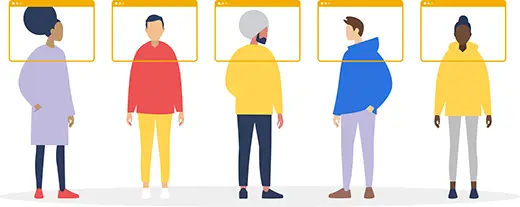
Email marketing is all about relevance, and relevance starts with segmentation.
It’s the difference between “Hey, we thought you’d love this” and “Dear [First Name], here’s something random.”
So, let’s find out which segmentation strategies are actually working for email marketers right now.
Why Segmentation Matters More Than Ever
Email inboxes are crowded, and consumers are more selective… and attention spans are shorter than ever.
That’s why segmentation is an important ingredient for email success.
According to recent research from Litmus:
- 90% of email marketers say segmentation boosts performance.
- 65% of marketers use between 2–10 segmentations per campaign.
- Only 24% use 3+ personalized elements per email—most stick to just one.
- 58% say better access to customer data would improve personalization.
- 79% now measure ROI from email campaigns, up from 64% in 2023.
- 47% use both real-time and historical data for segmentation.
The goal is simple: send fewer emails, but make each one really count.
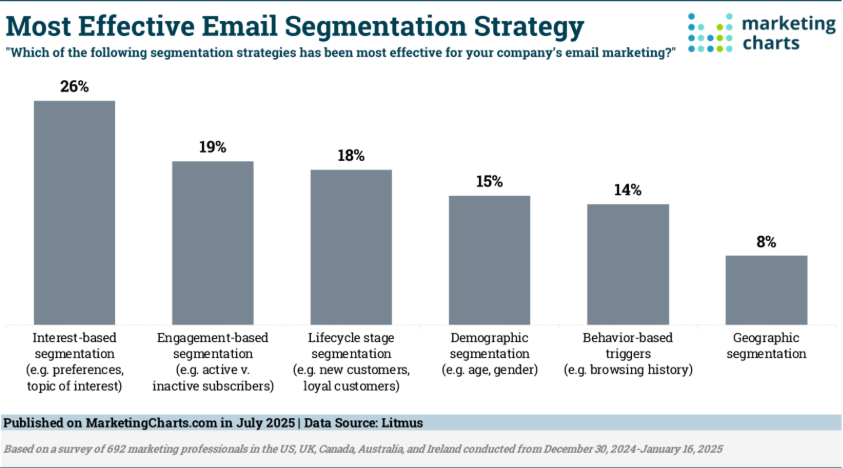
(source)
The Segmentation Strategies That Are Delivering Results
Let’s break down the top segmentation strategies that marketers are leaning into—and why they work.
1. Interest-Based Segmentation
This is the most popular strategy, with 26% of marketers saying it’s their most effective.
It’s all about sharing content people genuinely care about—whether that’s their favorite product categories, topics they love to read about, or even quirky hobbies they’re into.
It works because it feels personal, intentional, and extremely relevant.
For example, if someone’s into eco-friendly products, a home improvement store would likely send them ads for low-waste, recycled, solar powered, and energy efficient products.
If I am using intent data, I would likely find people who are interested, or even browsing, for products that are similar to mine- and put my marketing efforts toward those most likely to become a customer.
2. Engagement-Based Segmentation
Used by 19% of marketers, this strategy focuses on how active (or inactive) someone is.
You could send re-engagement emails to dormant subscribers or VIP offers to your most loyal clickers.
This data is found through open rates, click-through rates, and last interaction date- and it helps you tailor your tone and timing. A frequent opener might get more frequent emails, while a quieter subscriber might need gentle nudges instead.
A boutique might send a little “Hey, we miss you!” nudge to a shopper who’s been MIA, complete with photos of cozy cardigans and earrings they’ve browsed before—kind of like a reminder from a friend who knows your taste.
3. Lifecycle Stage Segmentation
Lifecycle segmentation is knowing where someone is in their relationship with your brand—and treating them accordingly.
About 18% of marketers say this strategy is their go-to.
Some ways to incorporate this kind of segmentation:
- New Subscriber Welcome: send a friendly email with a quick intro to your brand, a special offer, and a few popular products or services to explore.
- First-Time Buyer Follow-Up: after someone makes their first purchase, follow up with a thank-you message, tips on how to use the product, and a discount for their next order.
- Repeat Customer Appreciation: reward loyal customers with exclusive perks like early access to new products, sneak peeks, or a “thank you” gift.
- High-Value Customer VIP Treatment: segment your top spenders and offer them premium experiences—like invite-only events, priority support, or personalized recommendations.
- Anniversary or Milestone Celebration: Celebrate a customer’s one-year anniversary with your brand or their 10th purchase with a fun message and a small reward—because who doesn’t love a little confetti?
For example, a local bookstore could send a cozy “Welcome to the club!” email to a first-time buyer, complete with a discount and a few staff picks. Meanwhile, a longtime customer might get early access to a spooky Halloween book bundle with a note that says, “We knew you’d love this one.”
Lifecycle segmentation works great because it keeps your messaging relevant, timely, and personal—like you actually know your customers.
4. Demographic Segmentation
Demographic segmentation is a classic—and still effective—way to tailor your messaging.
It’s all about using data points like age, gender, income, and household size to better understand who you’re talking to and what they might care about. Different people respond to different tones, visuals, and offers.
A Gen Z audience might respond to a meme-filled email with bold colors and slang, while Boomers might prefer a clean layout, clear messaging, and a practical offer. It’s not stereotyping—it’s smart targeting.
When your strategy combines first-party data with this third-party data, it adds an extra layer of insight- helping you go above-and-beyond in your outreach.
For example, instead of just knowing someone is 35, you might also learn they’re a homeowner with two kids and a love for DIY projects. That’s the kind of detail that turns generic campaigns into a personalized and intentional experience.
When your message feels relevant, people are more likely to engage—and convert.
5. Behavioral Segmentation
Behavioral segmentation is like reading the digital breadcrumbs your customers leave behind. It’s all about what people do—what they browse, what they buy, what they click.
It’s not based on who someone is, but what they’re interested in right now; it’s predictive.
If someone browsed hiking boots three times last week, chances are they’re gearing up for adventure. That’s your cue to show up for them with a timely offer. For example, sending a postcard “Nature is calling!” Include a QR code that takes them to some of your best-selling hiking gear and offer a free pair of hiking socks with purchase. The goal is to catch them while they’re still in decision mode—before they wander off to a competitor.
This kind of behavioral data helps you to create campaigns that feel intuitive and timely. And when you layer in third-party data, you can go even deeper—like identifying trends across similar audiences or predicting seasonal buying patterns.
6. Geographic Segmentation
Only 8% of marketers say this is their most effective strategy, but it’s still useful—especially for local businesses or seasonal campaigns.
This strategy is all about personalizing your messaging around where your audience lives. And it’s not just about weather (although yes, snow shovels in Minnesota and sunscreen in Miami are very real examples). It’s more so about understanding regional behaviors, preferences, and even cultural nuances that influence buying decisions.
For example, a garden center in Austin would choose to promote drought-resistant plants and water-saving tools, while one in Seattle highlights moss control and rain-friendly landscaping.
Timing matters too—fall promotions hit differently in Vermont than they do in Arizona.
Conclusion
At its core, segmentation is about showing your customers that you’re paying attention.
It’s your way of saying, “We see you. We get what matters most to you. And we’re not here to waste your time.” In a world overflowing with content, that kind of intentionality stands out.
When it’s done well, segmentation builds trust, drives loyalty, and lays the foundation for long-term connections.