
 Home Factors



Are you targeting Gen Z? If not, you should be. They are the youngest generation of new consumers with an astounding $360 billion in disposable income. They also have a huge influence on the habits of other generations.
In fact, about two-thirds (68%) of adults around the world say that teenagers and college-aged people influence where and how they shop. This is according to a study by Edelman.

(Image Source: Marketing Charts)
Gen Z also influences adults in other areas of brand engagement including:
- How I buy online and through apps (67%)
- How I give brands negative feedback (62%)
- How and where I talk to brands (62%)
- How I connect with brands on social (57%)
What Makes Gen Z Different From Other Generations?
Gen Z, generally defined as people born between 1997 and 2012, is known for its digital fluency, emphasis on authenticity, diverse perspectives, individual expression and value-conscious shopping habits.
For brands, understanding these characteristics can help shape more relevant messaging, stronger customer experiences and smarter audience targeting. However, Gen Z isn’t one uniform audience. Interests, income, life stage and purchase intent can vary significantly across the generation.
6 Gen Z Traits Brands Need To Know
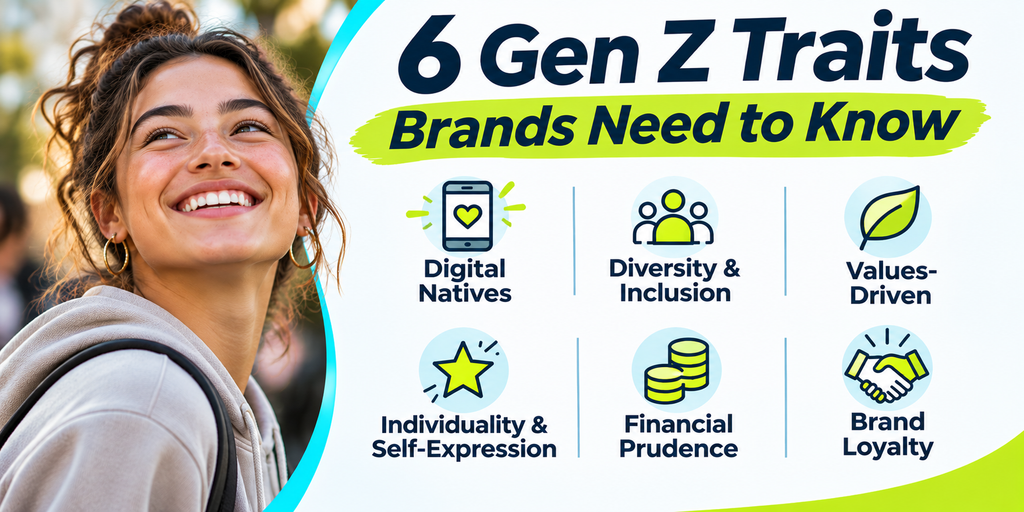
Discover 6 Gen Z traits shaping consumer behavior, brand loyalty and shopping habits, plus practical strategies for marketing to Gen Z.
1. Digital Natives and Social Media
Gen Z has never known a world without smartphones, social media, and the internet. They are incredibly tech-savvy, using digital platforms for communication, entertainment, and education.
Stats to Know: 34% of Gen Z social media users follow at least one brand they use or are considering using in the future. Gen Zs are actually more likely to follow brands (34%) than influencers (30%) on social media. When it comes to product research, 69% of Gen Zs turn to Instagram while just 46% use TikTok.
Tip: Meet Gen Zers where they are by investing in an online presence, including mobile-friendly websites and active social media profiles. Utilize social media and e-commerce strategies to reach Gen Z where they spend most of their time.
2. Diversity and Inclusion
Gen Z is the most diverse generation, embracing cultural, racial, and gender diversity.They are highly sensitive to issues of social justice and expect inclusivity and representation.
Stats to Know: Gen Z, more than any previous generation, believes that brands should address diversity and inclusion. According to a study by Quantilope, while 76% of Zoomers consider this extremely important, just 46% of baby boomers and 63% of Gen Xers place the same amount of value on it. Millennials also value diversity and inclusion, with 72% saying it is extremely or very important.
Tip: Embrace diversity in your advertising and workforce. Highlight inclusivity as a core value of your brand. Engage in meaningful conversations around diversity and social justice issues.

3. Values-Driven
Gen Z is passionate about social and environmental causes, seeking brands that align with their values. They are more likely to support businesses that actively contribute to positive change.
Stats to Know: When asked about their concerns on a variety of social issues, 44% of Gen Zs said they were concerned about climate change — the highest percentage on any issue. 43% are concerned about racism, 41% about gun violence, 40% about police brutality, and 38% about pollution.
Additionally, Gen Zs buying habits reflect their environmentally-conscious views. 71% have purchased at least one article of pre-owned clothing. 61% recycle regularly. 57% believe in the importance of buying from brands that do good for the environment.
Tip: Align your brand with social and environmental causes that matter to Gen Z. Show your commitment through transparent practices, sustainability initiatives, and charitable contributions.
4. Individuality and Self-Expression
Gen Z values authenticity and celebrates individuality. They are more interested in expressing themselves than conforming to traditional norms.
Stats to Know: A report from OCAD University revealed that 73% of Gen Z believe they need more self-expression to live a happy, healthy life. With social media being such a prominent part of Gen Z’s life, this is where they socialize and are able to express their unique identity.
Tip: Encourage user-generated content and engage with Gen Z’s creativity. Allow them to personalize products or experiences. Celebrate uniqueness in your marketing campaigns.
5. Financial Prudence
Gen Z is budget-conscious and tends to compare prices and seek deals. Brands offering quality and affordability attract their attention.
Stats to Know: Of Gen Z, 52% say that money has a negative impact on their mental health. (Bankrate’s money and mental health survey)
Over half (52%) of Gen Zers say the biggest money concern that negatively impacts their mental health is inflation and rising prices; 54 percent cite paying for everyday expenses.
Tip: Provide competitive pricing and discounts where possible. Clearly communicate the value of your products or services. Offer loyalty programs or rewards for budget-conscious shoppers.
6. Brand Loyalty
Gen Z is more likely to switch brands if they perceive a company as unethical or not aligned with their values. Building trust and fostering brand loyalty requires authenticity and consistency.
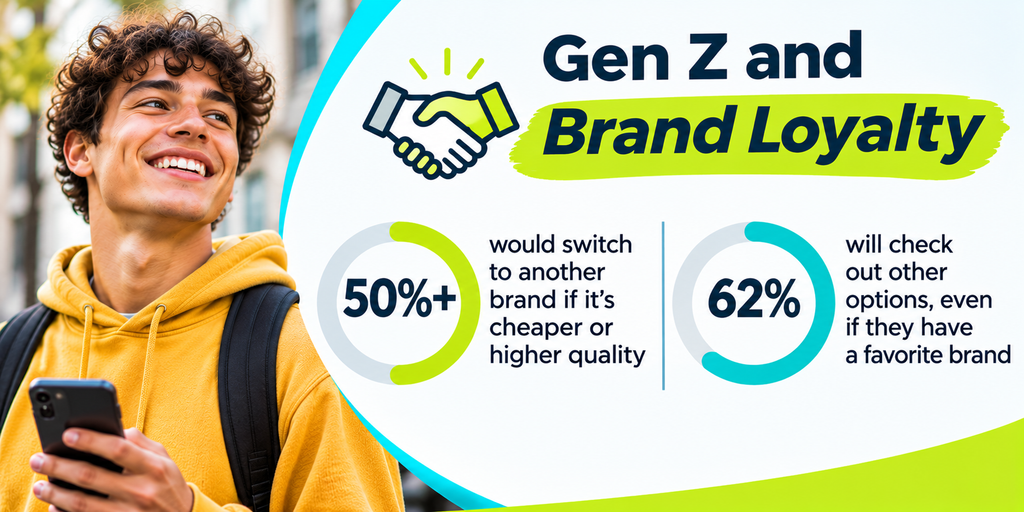
Stats to Know: Among Gen Zers with a favorite brand, more than 50% would switch it up if another brand were cheaper or of higher quality.
30% would “revert to their ‘go to’ brand for a new product or service” when making purchases, and a whopping 62% said they would check out other options, even if they have a favorite brand.
Tip: Build trust by being authentic and consistent in your messaging and actions. Address any concerns or controversies promptly and transparently. Showcase your commitment to shared values.
How Can Brands Market More Effectively to Gen Z?
Understanding Gen Z’s characteristics is a good starting point. But turning those insights into effective marketing requires knowing which consumers you’re trying to reach, what they’re interested in and when they’re most likely to engage.
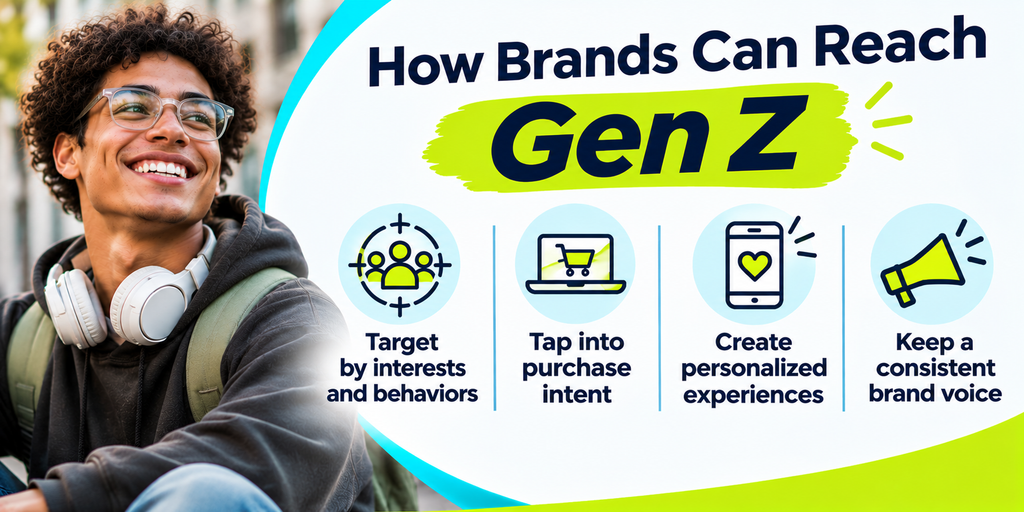
Here are four strategies to consider:
- Go beyond age-based targeting. Gen Z consumers have different interests, lifestyles and purchasing priorities. Use consumer insights to create more relevant audience segments.
- Pay attention to purchase intent. Understanding what consumers are actively researching can help brands identify emerging interests and reach potential customers at more relevant moments.
- Make the experience personal. Tailor messaging and offers to consumers’ interests and needs rather than relying on one campaign for the entire generation.
- Keep messaging consistent across channels. From social media and digital advertising to email and direct mail, make sure the customer experience feels connected.
PGM’s People Factors and Online Signals data can help marketers better understand consumer audiences and identify households showing interest in relevant products and services.
Frequently Asked Questions About Gen Z Marketing
What are the defining characteristics of Gen Z?
Six commonly discussed Gen Z traits are digital fluency, appreciation for diversity and inclusion, values-driven purchasing, individuality, financial awareness and selective brand loyalty. These characteristics can influence how Gen Z consumers discover, evaluate and engage with brands.
What does Gen Z look for in a brand?
Gen Z consumers often value authenticity, product quality, affordability, convenience and brands that communicate clearly. Preferences vary by individual, so marketers should avoid treating the entire generation as a single audience.
How does Gen Z discover new products?
Gen Z discovers products through a variety of channels, including social media, search engines, online communities, recommendations and retail websites. The relative importance of each channel depends on the product category and consumer.
Is Gen Z loyal to brands?
Gen Z consumers can develop strong brand preferences, but price, quality, convenience and brand experience can influence whether they continue purchasing or explore alternatives.
How can brands personalize marketing to Gen Z?
Brands can use consumer insights, behavioral signals and purchase intent data to build more relevant audiences and tailor messaging to different interests and needs. Effective personalization should also respect consumer privacy and marketing preferences.