 Home Factors



A new email lands in your inbox. You glance at the sender, scan the subject line and decide whether it’s worth opening or deleting.
Your customers do the same thing.
With crowded inboxes, constant notifications and more brands competing for attention, email marketers have a small window to make an impression. And even when someone opens your email, there’s no guarantee they’ll stick around long enough to read it.
The good news? Email remains one of the most valuable channels for connecting with customers. But getting results in 2027 takes more than a catchy subject line or attractive design.
It takes relevant messaging, accurate audience data, smart segmentation and an experience that gives people a reason to engage.
Here are five email marketing tips to help your campaigns stand out and drive better results in 2027.
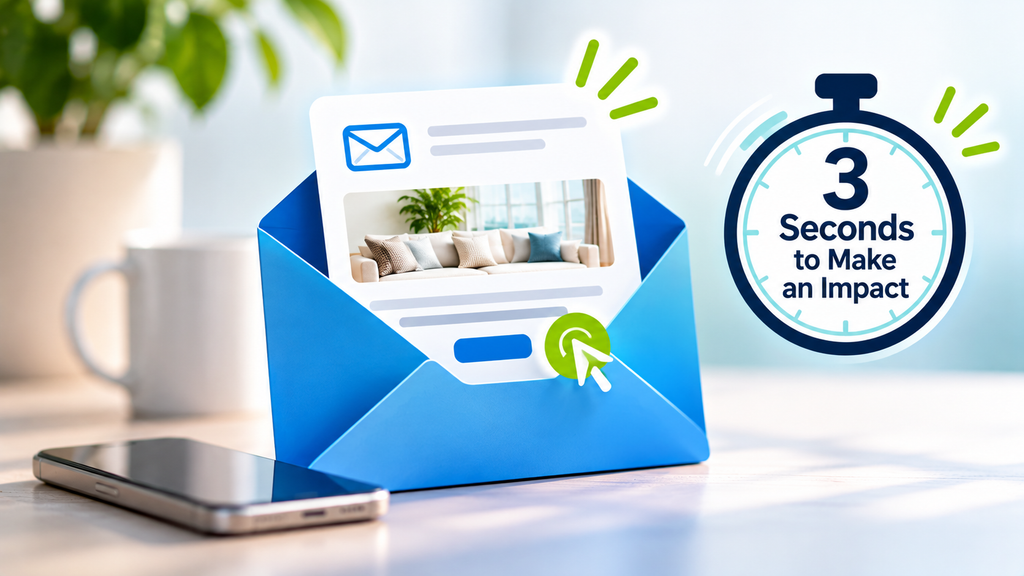
5 Email Marketing Tips for 2027
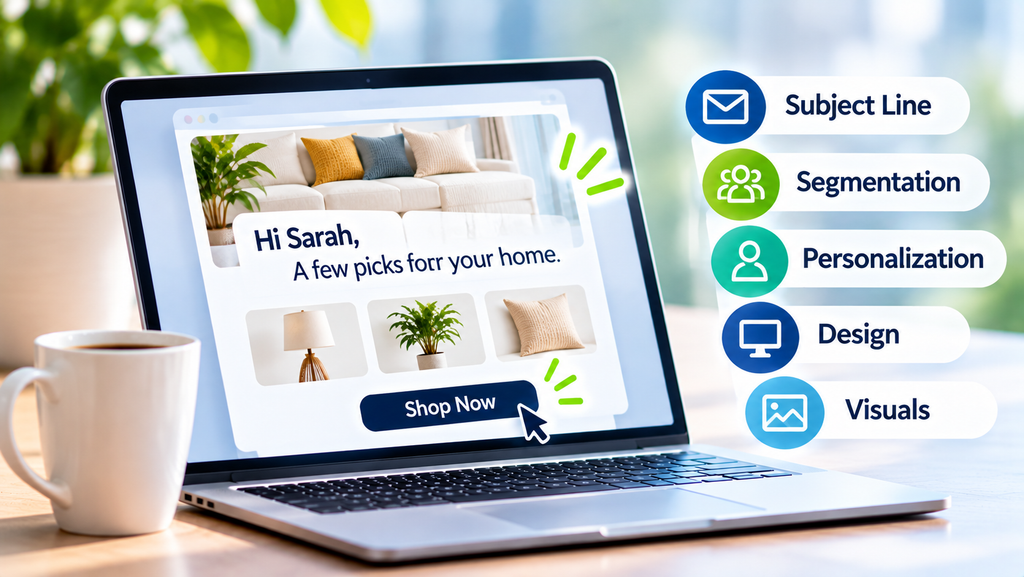
1. Write Subject Lines That Give People a Reason to Open
Your subject line is often the first thing a subscriber sees. And with dozens of other messages competing for attention, it needs to earn that click.
The best subject lines don’t necessarily rely on clever wordplay or urgency. They make it clear why the email matters to the recipient.
Try these approaches:
- Lead with value. Tell readers what they’ll learn, save or gain.
- Create curiosity. Give them a reason to want more information without being misleading.
- Keep it concise. Shorter subject lines are easier to scan on mobile devices.
- Personalize when relevant. Reference interests, purchases or other meaningful customer information.
- Test different approaches. What works for one audience may not work for another.
Don’t overlook preview text, either. That short line appearing alongside your subject can reinforce your message and give subscribers another reason to open.
And remember, an open isn’t the ultimate goal. A compelling subject line should set an expectation that the email actually delivers.
Want to reach the right people with more relevant, personalized emails? PGM can help you enrich your customer data, improve audience targeting and identify consumers who are actively in market. Let’s Talk
2. Segment Your Audience for More Relevant Campaigns
Sending the same email to everyone on your list might be easier, but it’s rarely the most effective approach.
Customers have different interests, needs and buying behaviors. Your email campaigns should reflect those differences.
Start by segmenting your audience using information such as:
- Demographics and household characteristics
- Purchase history and customer lifecycle stage
- Product interests and browsing behavior
- Geographic location
- Engagement with previous campaigns
- In-market signals and purchase intent
For example, a home improvement retailer could send different messages to new homeowners, established homeowners planning renovations and consumers actively researching kitchen upgrades.
Each audience has different needs, and each deserves a more relevant message.
The opportunity for marketers in 2027 is to move beyond basic list segmentation and use richer audience intelligence to understand what customers may need next.
PGM’s People Factors and consumer intent data can help marketers build more precise audiences and improve the relevance of their campaigns.
3. Personalize Beyond the First Name

Adding someone’s first name to a subject line isn’t enough to make an email feel personal.
Today’s consumers expect brands to understand their interests and deliver experiences that are relevant to them.
Effective email personalization can include:
- Product recommendations based on previous purchases or interests
- Offers tailored to household characteristics or customer needs
- Messaging triggered by meaningful lifecycle events
- Content based on recent browsing or shopping intent
- Follow-up communications that reflect previous interactions
Imagine a furniture retailer emailing every subscriber about a living room sale.
Now imagine that retailer identifying households researching dining room furniture and sending those customers relevant products and offers instead.
The second approach is more likely to connect because the message reflects what the customer is interested in.
AI can also help marketers identify patterns, develop content variations and recommend relevant products. But AI is only as useful as the data supporting it.
Better personalization starts with better customer data.
When marketers combine accurate customer information with behavioral and intent signals, they can create email experiences that feel more relevant and timely.
Better Personalization Starts With Better Data
Your customers are more than an email address. Enrich your customer records with demographic, household, lifestyle and other audience insights to create more relevant, personalized email campaigns.
Explore People Factors
4. Design Emails for Fast, Easy Engagement
Even the most relevant message can fall flat if it’s difficult to read.
People often scan emails rather than reading every word. Your design should make it easy to understand the message and take the next step.
Here are a few email design best practices:
- Keep the layout simple. Avoid overcrowding your email with competing messages, excessive graphics or too many calls to action.
- Make it mobile-friendly. Use responsive layouts, readable fonts and buttons that are easy to tap.
- Put important information first. Don’t make readers scroll through a lengthy introduction to discover why they should care.
- Use clear calls to action. Make it obvious what you want readers to do next, whether that’s exploring a product, reading an article or claiming an offer.
- Make accessibility a priority. Use sufficient color contrast, descriptive links, logical reading order and readable text sizes.
And don’t forget about dark mode. Many subscribers use email clients with dark backgrounds, so test your designs to make sure logos, images and text remain visible.
The goal isn’t to create the most elaborate email. It’s to make your message easy to understand and act on.
5. Use Visuals That Support Your Message
Images can help capture attention, communicate ideas and make emails more engaging.
But more visuals don’t automatically mean better results.
Every image should have a purpose.
Product photography can help shoppers evaluate an offer. A simple graphic can explain a complicated concept. An animated GIF might demonstrate a product feature or draw attention to a promotion.
The key is knowing when visuals add value and when they become a distraction.
A few best practices:
- Optimize images to reduce loading times.
- Use descriptive alt text for accessibility.
- Avoid putting important copy exclusively inside images.
- Test how emails display when images are blocked.
- Use animation sparingly and consider reduced-motion preferences.
- Maintain consistent branding across campaigns.
It’s also worth testing image-heavy emails against simpler, text-forward versions. Sometimes a straightforward message from a recognizable sender performs better than a highly designed promotion.
Let your audience’s behavior guide your creative decisions.
Bonus Tip: Don’t Overlook Email Timing and Frequency
You’ve written a compelling subject line, personalized the content and created an attractive design.
Now, when should you send it?
There’s no universal best day or time for email marketing. What works for a retailer may not work for an insurance company or automotive brand.
Rather than relying entirely on general benchmarks, use your own campaign data to identify patterns.
Test different send times, monitor engagement and conversions, and consider how often subscribers want to hear from you.
AI-powered send-time optimization can help identify when individual subscribers are more likely to engage, but it shouldn’t replace testing and measurement.
And timing isn’t just about the hour of the day.
Reaching someone when they’re actively researching a product or service can be more valuable than simply sending an email at a traditionally popular time.
That’s where consumer intent signals can create additional opportunities for marketers.
What Should Email Marketers Focus on in 2027?
The fundamentals of successful email marketing haven’t disappeared. Relevance, clarity and trust still matter.
What’s changing is how marketers can deliver them.
With more sophisticated audience data, AI-assisted personalization and better behavioral insights, brands have new opportunities to create campaigns that reflect individual customer needs.
But technology alone won’t make an email successful.
Marketers still need to understand their audiences, respect customer preferences and deliver something worth opening.
The brands that do this well will be better positioned to turn inbox attention into meaningful customer relationships.
Frequently Asked Questions About Email Marketing
How can I improve email engagement in 2027?
Focus on relevant audience segmentation, compelling subject lines, personalized content, mobile-friendly design and clear calls to action. Test different approaches and measure clicks, conversions and other meaningful outcomes rather than relying only on open rates.
How important is email personalization?
Personalization helps marketers deliver content and offers that better reflect customer interests and needs. It can include purchase history, household characteristics, lifecycle events, behavioral signals and product interests, not just a recipient’s name.
What is the best time to send marketing emails?
The best time depends on your audience, industry and campaign objectives. Use historical engagement and conversion data, test different sending windows and consider send-time optimization tools.
How does audience segmentation improve email marketing?
Segmentation allows marketers to group customers based on shared characteristics, behaviors or interests. This makes it easier to send relevant messages rather than relying on one campaign for an entire database.
How can consumer intent data improve email campaigns?
Consumer intent data can help marketers identify audiences actively researching products or services. These insights can support more relevant targeting, messaging and campaign timing, helping brands connect with consumers when interest is higher.
Make Every Email Count With Better Audience Data
Getting attention is only the beginning. The real opportunity is delivering messages that connect with the right people.
PGM helps marketers better understand their customers and identify relevant audiences using demographic, household, lifestyle and consumer intent insights.
Whether you’re looking to enrich existing customer records, improve segmentation or reach new in-market audiences, better data can help you make more of every email campaign.